
Recruiting the Right People for Public Safety Dive Teams
Article by Thomas Powell
Special operations teams often appear elite from the outside, but the reality is much simpler: they are made up of ordinary men and women who volunteer their time, put in the work, and rise to difficult challenges. Unfortunately, not every team member brings the same level of commitment.
Every leader has seen it before; someone who signs up for the t-shirt, the badge, or the resume boost. They show up inconsistently, avoid training, and contribute little when the work gets hard. In public safety diving, where lives depend on trust and teamwork, this type of member is not just unhelpful, they are a liability.
For that reason, recruiting the right people is one of the most critical steps in forming or strengthening a dive team.
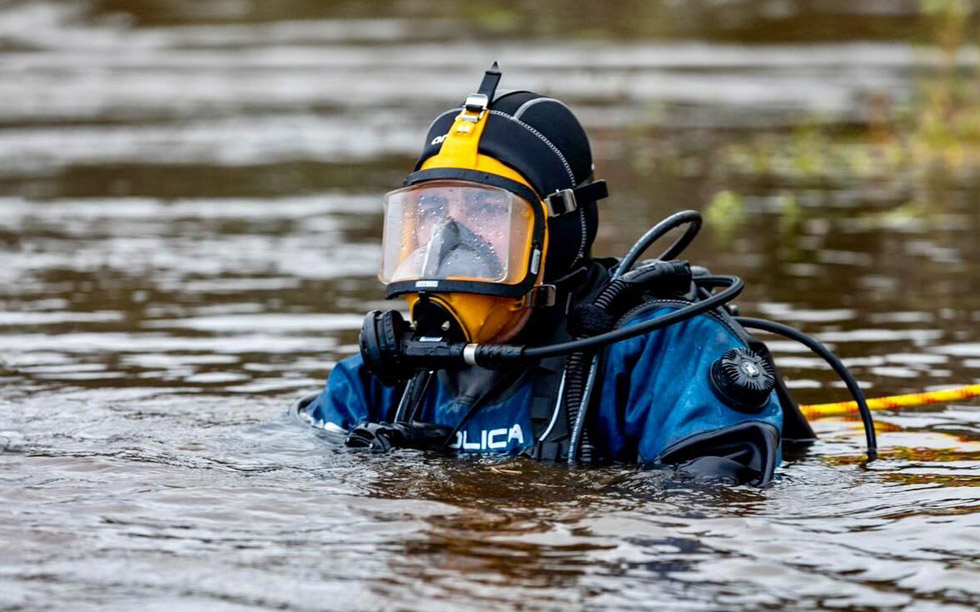
Fitness: More Than Strength
Public safety divers do not need to look like athletes on magazine covers. What they do need is endurance, resilience, and the ability to push through fatigue without quitting. How can you track these types of variables when recruiting and maintaining a team?
- Require initial swim tests before acceptance.
- Repeat fitness evaluations regularly for active members.
- Require signed medical clearance to ensure physical safety and reduce liability.
Fitness is about dependability under stress, not aesthetics.
Experience and Education
Experience and prior training can make a huge difference in team readiness. Leaders may seek:
- Already-certified recreational divers to reduce initial training needs.
- Advanced scuba training that incorporates redundant equipment and unique environments
- Public safety professionals with EMT, firefighting, law enforcement, or rescue training.
- Candidates with verifiable certifications and documented education.
While experience helps, it is not everything. A motivated, committed recruit with less background often outperforms an experienced but complacent diver. Remember to consider this when looking at team composition and maintenance.
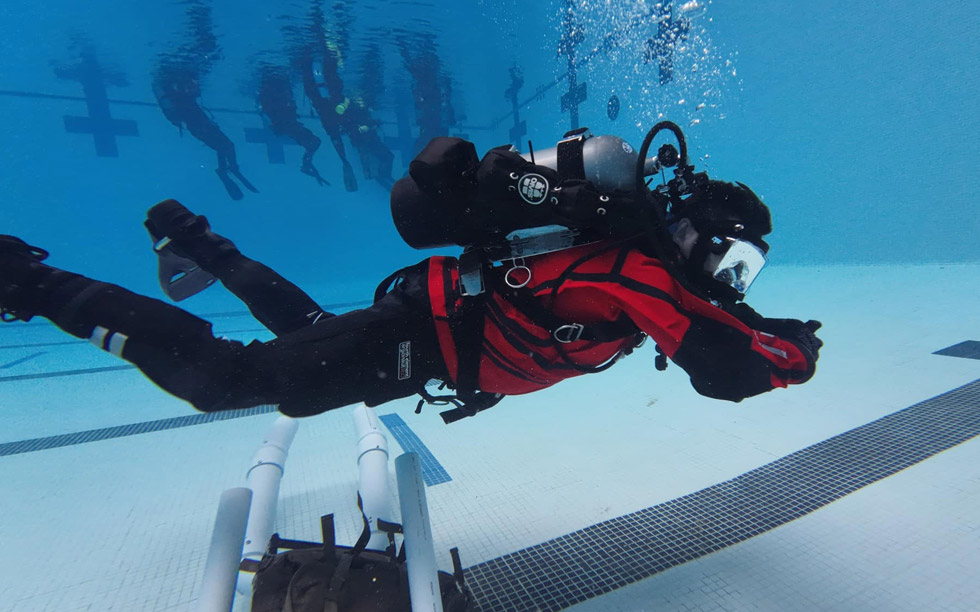
Commitment and Attendance
Commitment is where many teams stumble. A diver who only shows up once or twice a year is not an asset.
Set clear expectations for:
- Training attendance.
- Operational readiness.
- Participation in team development.
Document these expectations in Standard Operating Procedures (SOPs)/Standard Operating Guidelines (SOGs), require new members to sign an acceptance of them, and have the entire team reaffirm them annually. This ensures accountability and shared responsibility.
Marketing and Outreach
Good recruitment requires active marketing. Go where the people you need already are:
- Other public safety units.
- Local EMS or fire departments.
- Existing special operations groups.
Explain honestly what the team does, what conditions are like, and what level of commitment is required. Those who hesitate are not the ones you want. The motivated ones will follow up with sensible questions.
Further, remember that you can reach out to your communities. Post ads or information seminars about what your team does. Allow the public to come and ask questions. You may find amazing people who become very valuable assets.
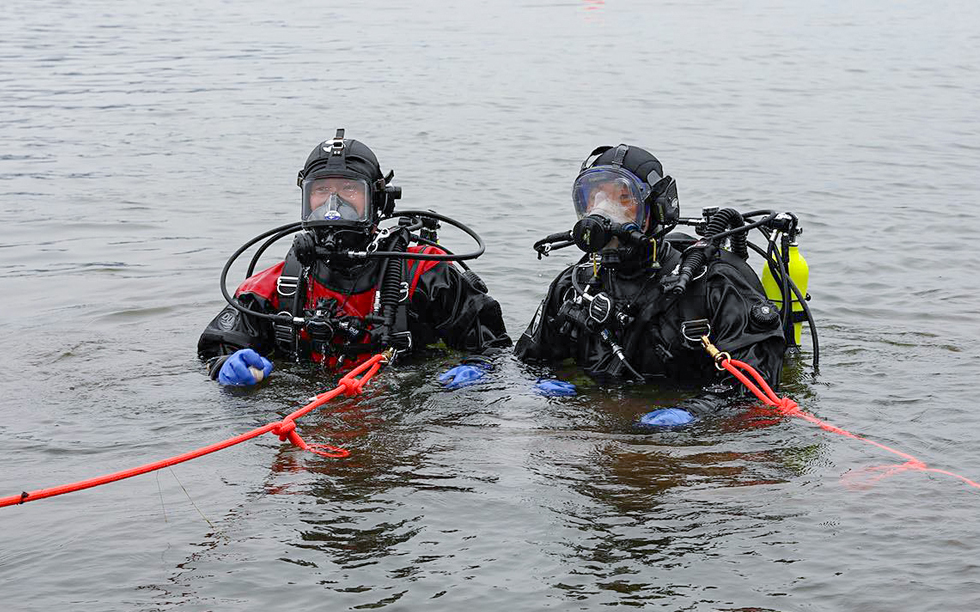
Testing and Evaluation
Once you have a pool of applicants, test them equally and fairly.
- Conduct swim tests.
- Evaluate basic underwater skills for already-certified divers.
- Create task-focused skill evaluations to determine competence under stress.
- Use objective scoring systems or even third-party evaluators.
Testing ensures consistency and helps identify both immediate contributors and future leaders.
Lead by Example
Perhaps the most important rule of all: a team takes its cues from its leaders.
- If you expect fitness, swim with your team.
- If you require training, sit in the front row with them.
- Show commitment in your own actions.
You do not have to be the most skilled or the fastest, but you must always be present, reliable, and consistent. You must also demand these same traits from your subordinate officers and leaders.
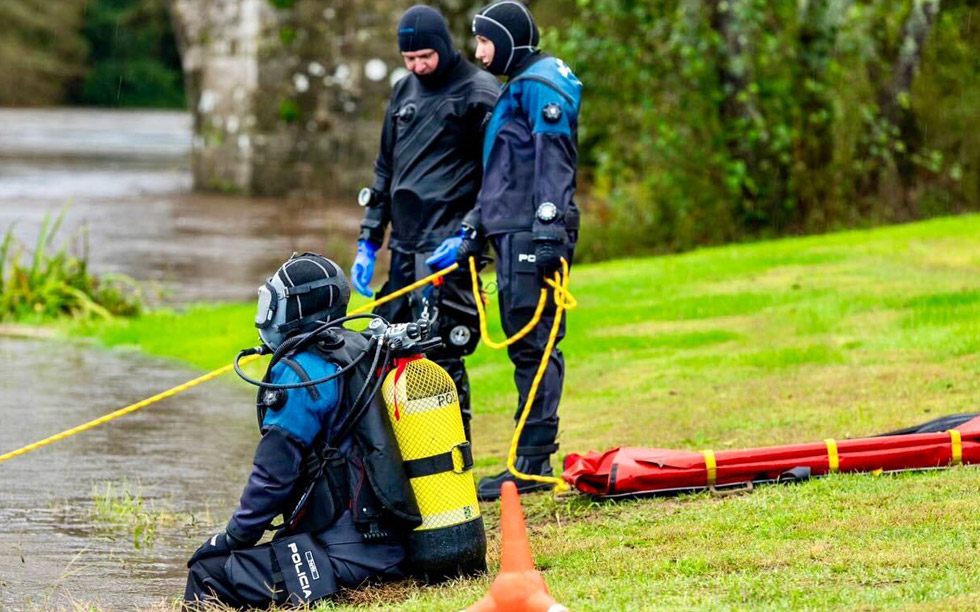
Final Word on Recruitment
Recruitment is not about filling seats. It’s about finding the right people who will train, commit, and carry their share of the weight. A handful of strong, reliable, and motivated divers will always outperform a bloated roster of uncommitted names.
If you put in the work to recruit the right people, set clear standards, and lead by example, your dive team will be positioned for long-term success.
 https://www.tdisdi.com/wp-content/uploads/2026/01/ANTARCTIQUE.jpg
628
1200
Joan Solé García
https://www.tdisdi.com/wp-content/uploads/2021/10/header-web-live.png
Joan Solé García2026-01-22 06:32:542026-01-22 06:32:54ANTARCTICA
https://www.tdisdi.com/wp-content/uploads/2026/01/ANTARCTIQUE.jpg
628
1200
Joan Solé García
https://www.tdisdi.com/wp-content/uploads/2021/10/header-web-live.png
Joan Solé García2026-01-22 06:32:542026-01-22 06:32:54ANTARCTICA https://www.tdisdi.com/wp-content/uploads/2026/01/women-idc.jpg
628
1200
Joan Solé García
https://www.tdisdi.com/wp-content/uploads/2021/10/header-web-live.png
Joan Solé García2026-01-21 04:55:202026-01-22 08:16:54Women’s IDC – May 23-31, 2026
https://www.tdisdi.com/wp-content/uploads/2026/01/women-idc.jpg
628
1200
Joan Solé García
https://www.tdisdi.com/wp-content/uploads/2021/10/header-web-live.png
Joan Solé García2026-01-21 04:55:202026-01-22 08:16:54Women’s IDC – May 23-31, 2026 https://www.tdisdi.com/wp-content/uploads/2026/01/women-who-tech-dive-tamara-thomsen.jpg
628
1200
Joan Solé García
https://www.tdisdi.com/wp-content/uploads/2021/10/header-web-live.png
Joan Solé García2026-01-19 04:46:442026-01-19 04:46:44Women Who Tech Dive Tamara Thomsen
https://www.tdisdi.com/wp-content/uploads/2026/01/women-who-tech-dive-tamara-thomsen.jpg
628
1200
Joan Solé García
https://www.tdisdi.com/wp-content/uploads/2021/10/header-web-live.png
Joan Solé García2026-01-19 04:46:442026-01-19 04:46:44Women Who Tech Dive Tamara Thomsen https://www.tdisdi.com/wp-content/uploads/2026/01/DI-Scubility-Program.jpg
628
1200
Joan Solé García
https://www.tdisdi.com/wp-content/uploads/2021/10/header-web-live.png
Joan Solé García2026-01-15 01:42:552026-01-15 01:42:55SDI Scubility Program
https://www.tdisdi.com/wp-content/uploads/2026/01/DI-Scubility-Program.jpg
628
1200
Joan Solé García
https://www.tdisdi.com/wp-content/uploads/2021/10/header-web-live.png
Joan Solé García2026-01-15 01:42:552026-01-15 01:42:55SDI Scubility Program https://www.tdisdi.com/wp-content/uploads/2026/01/Diving-for-Mental-Health.jpg
628
1200
Joan Solé García
https://www.tdisdi.com/wp-content/uploads/2021/10/header-web-live.png
Joan Solé García2026-01-14 04:18:042026-01-14 04:18:04Diving for Mental Health
https://www.tdisdi.com/wp-content/uploads/2026/01/Diving-for-Mental-Health.jpg
628
1200
Joan Solé García
https://www.tdisdi.com/wp-content/uploads/2021/10/header-web-live.png
Joan Solé García2026-01-14 04:18:042026-01-14 04:18:04Diving for Mental Health https://www.tdisdi.com/wp-content/uploads/2026/01/Considerations-for-Scubility.jpg
628
1200
Joan Solé García
https://www.tdisdi.com/wp-content/uploads/2021/10/header-web-live.png
Joan Solé García2026-01-12 05:58:402026-01-12 05:58:40Scubility
https://www.tdisdi.com/wp-content/uploads/2026/01/Considerations-for-Scubility.jpg
628
1200
Joan Solé García
https://www.tdisdi.com/wp-content/uploads/2021/10/header-web-live.png
Joan Solé García2026-01-12 05:58:402026-01-12 05:58:40Scubility https://www.tdisdi.com/wp-content/uploads/2026/01/Mentorship-in-Technical-Diving.jpg
628
1200
Joan Solé García
https://www.tdisdi.com/wp-content/uploads/2021/10/header-web-live.png
Joan Solé García2026-01-08 04:31:582026-01-19 16:08:39技术潜水指导
https://www.tdisdi.com/wp-content/uploads/2026/01/Mentorship-in-Technical-Diving.jpg
628
1200
Joan Solé García
https://www.tdisdi.com/wp-content/uploads/2021/10/header-web-live.png
Joan Solé García2026-01-08 04:31:582026-01-08 04:31:58Mentorship in Technical Diving
https://www.tdisdi.com/wp-content/uploads/2026/01/Mentorship-in-Technical-Diving.jpg
628
1200
Joan Solé García
https://www.tdisdi.com/wp-content/uploads/2021/10/header-web-live.png
Joan Solé García2026-01-08 04:31:582026-01-19 16:08:39技术潜水指导
https://www.tdisdi.com/wp-content/uploads/2026/01/Mentorship-in-Technical-Diving.jpg
628
1200
Joan Solé García
https://www.tdisdi.com/wp-content/uploads/2021/10/header-web-live.png
Joan Solé García2026-01-08 04:31:582026-01-08 04:31:58Mentorship in Technical Diving
Excellent article. Commitment to “the team” and it’s mission, and being cross-trained for multiple Dive ICS assignments/positions were always high on my list.