
When Divers Disappear:
Lessons From the COVID Lockdown
Article by Alex Brylske
In early 2020, global events brought human activity to a near standstill. Air travel was suspended, beaches were closed, and almost all diving came to a halt. As a result, renowned sites like Hawai‘i’s Hanauma Bay, which typically host thousands of snorkelers each day, fell silent. For several months, the bay’s waters—normally bustling with visitors—were empty, offering a unique opportunity for scientists to observe the natural state of the reef. During this hiatus, researchers documented remarkable signs of ecological recovery beneath the surface.

Scientists have described the worldwide reduction in human activity during the COVID-19 pandemic as the “anthropause.” This period provided ecosystems across the globe, from urban environments to protected natural areas, an unexpected respite from human disturbance. For coral reefs, this break allowed researchers to assess the effects of human absence in real time.
Hanauma Bay, designated as Hawai‘i’s first no-take Marine Life Conservation District in 1967, became an ideal setting for such a study. Its status as a protected, high-traffic area with diverse marine life allowed researchers to directly observe how human activity shapes coastal ecosystems. Although daily visitor numbers had been reduced from 10,000 in the 1980s to 3,000 before the pandemic, human presence still caused significant sediment disturbance and noise pollution. In April 2020, the bay closed for seven months, leading to dramatic improvements in water quality and reductions in noise. These changes offered rare insight into the bay’s natural baseline conditions.
To capture these changes, Elizabeth Madin and her colleagues at the University of Hawai‘i conducted repeated surveys before, during, and after the closure. They measured water clarity, monitored the endangered Hawaiian monk seal, and tracked fish density and behavior using underwater cameras. The study provided valuable data on how the reef responded when freed from constant human contact.

The most immediate and visible change was the improvement in water clarity. With no snorkelers or divers to stir up sand, visibility increased significantly compared to both pre- and post-closure levels. This reduction in sediment resuspension—typically caused by the movement of fins and feet—meant that more sunlight could penetrate the water, benefiting both corals and algae.
The clarity of the water is not just an aesthetic improvement; it is fundamental to reef health. Turbid water can inhibit coral recruitment, favor algae over coral, and reduce overall species diversity. The enhanced visibility observed in Hanauma Bay during the closure reflected similar patterns seen throughout the Indo-Pacific during pandemic lockdowns, reinforcing the idea that human presence has a substantial impact on reef ecosystems.
One of the most striking outcomes was the response of the Hawaiian monk seal (Neomonachus schauinslandi), one of the rarest marine mammals in the region. During the closure, the frequency of monk seal haul-outs on Hanauma’s beach more than doubled—from 20% to 45% of days. These animals are highly sensitive to human presence, and studies have shown that noise and beachgoers can disrupt their normal behaviors. The increased sightings during the closure and subsequent decline following reopening (even with reduced visitor numbers) emphasized the need for quiet, undisturbed habitats to support this endangered species.

Fish populations also exhibited notable changes. Overall fish density increased, and herbivorous species, especially parrotfishes, engaged in more active grazing on algae—an activity critical for preventing algal overgrowth on coral reefs. After visitors returned, grazing rates dropped sharply at the sites most frequented by humans. While short-term data indicated some fish were initially attracted to snorkelers due to stirred-up food particles, prolonged human presence ultimately disrupted natural feeding and territorial behaviors.
The Hanauma Bay study demonstrated that even non-extractive activities, such as snorkeling and diving, can significantly alter reef ecosystems through physical presence alone. Reduced visitation quickly led to improved water quality, increased wildlife activity, and restoration of key ecosystem functions.
This finding has important implications for the management of marine protected areas (MPAs) worldwide. Many reserves prohibit fishing but still allow large numbers of visitors. Research from Hanauma Bay showed that legal protections alone are insufficient; active management of visitor numbers is essential to safeguard ecological health.
After the closure, Hanauma Bay adopted a policy limiting daily visitors to 1,400—less than half of its pre-pandemic levels. Researchers suggested that maintaining reduced visitor numbers could help preserve the bay’s ecological gains while also supporting tourism revenue, as visitors are often willing to pay more for high-quality, less crowded experiences. This balance can lead to both better conservation outcomes and greater economic value.
The experience at Hanauma Bay holds important lessons for divers. It highlights that every action—whether it’s a fin kick, a camera flash, or even touching the reef—can have a lasting impact on the marine environment. Even in areas with strict protections, cumulative human activity can alter animal behavior and ecosystem dynamics.

However, divers are also part of the solution. The long-term protection and recovery of Hanauma Bay were made possible by its designation as an MPA, often championed by the diving community. Well-managed MPAs enhance biodiversity, increase fish populations, and serve as sites for research and education. When managed effectively, these areas can reconcile recreational use with ecological resilience.
The anthropause offered a rare glimpse into how quickly nature can recover when given space. Divers returning to the water after the pandemic witnessed clearer seas, more abundant wildlife, and a hint of what reefs might have looked like before the pressures of mass tourism. These observations should shape future interactions with sensitive marine environments.
For individual divers, the message is clear: practice buoyancy control, avoid standing or kneeling on the seabed, keep fins away from sand, and maintain respectful distances from marine life. Dive operators can support these efforts by limiting group sizes, scheduling rest days for popular sites, and educating guests on low-impact diving techniques. In this way, each dive plan becomes a “micro-MPA”—where respect for the reef is as integral as standard safety procedures.
When scientists measured the physical and biological shifts during Hanauma’s months of solitude, they documented more than data points—they recorded the ocean’s capacity for self-healing. For those of us who enter that world on compressed air, the message is unambiguous: reefs recover when we let them.
Marine protected areas are not barriers to recreation—they are the foundation for it. The clearer waters, grazing parrotfish, and resting monk seals of Hanauma Bay remind us that the best way to experience the ocean’s beauty is sometimes to give it a break.
 https://www.tdisdi.com/wp-content/uploads/2026/01/Knees-Off-The-Bottom.jpg
628
1200
Joan Solé García
https://www.tdisdi.com/wp-content/uploads/2021/10/header-web-live.png
Joan Solé García2026-01-07 05:05:202026-01-07 05:05:20Knees Off The Bottom
https://www.tdisdi.com/wp-content/uploads/2026/01/Knees-Off-The-Bottom.jpg
628
1200
Joan Solé García
https://www.tdisdi.com/wp-content/uploads/2021/10/header-web-live.png
Joan Solé García2026-01-07 05:05:202026-01-07 05:05:20Knees Off The Bottom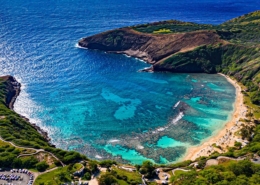 https://www.tdisdi.com/wp-content/uploads/2026/01/When-Divers-Disappear.jpg
628
1200
Joan Solé García
https://www.tdisdi.com/wp-content/uploads/2021/10/header-web-live.png
Joan Solé García2026-01-05 05:28:142026-01-05 05:28:14Hanauma Bay
https://www.tdisdi.com/wp-content/uploads/2026/01/When-Divers-Disappear.jpg
628
1200
Joan Solé García
https://www.tdisdi.com/wp-content/uploads/2021/10/header-web-live.png
Joan Solé García2026-01-05 05:28:142026-01-05 05:28:14Hanauma Bay https://www.tdisdi.com/wp-content/uploads/2025/07/Open-Water-Scuba-Diver-Instructor.jpg
628
1200
James Councill
https://www.tdisdi.com/wp-content/uploads/2021/10/header-web-live.png
James Councill2025-12-31 21:19:492026-01-01 14:08:45SDI Open Water Scuba Diver Instructor (OWSDI)
https://www.tdisdi.com/wp-content/uploads/2025/07/Open-Water-Scuba-Diver-Instructor.jpg
628
1200
James Councill
https://www.tdisdi.com/wp-content/uploads/2021/10/header-web-live.png
James Councill2025-12-31 21:19:492026-01-01 14:08:45SDI Open Water Scuba Diver Instructor (OWSDI) https://www.tdisdi.com/wp-content/uploads/2025/11/SDI-Assistant-Insturctor-1200x628-1.jpg
628
1200
James Councill
https://www.tdisdi.com/wp-content/uploads/2021/10/header-web-live.png
James Councill2025-12-30 03:55:022025-12-31 03:52:58SDI Assistant Instructor Course
https://www.tdisdi.com/wp-content/uploads/2025/11/SDI-Assistant-Insturctor-1200x628-1.jpg
628
1200
James Councill
https://www.tdisdi.com/wp-content/uploads/2021/10/header-web-live.png
James Councill2025-12-30 03:55:022025-12-31 03:52:58SDI Assistant Instructor Course https://www.tdisdi.com/wp-content/uploads/2025/12/Connect-Profit-Repeat.jpg
628
1200
Joan Solé García
https://www.tdisdi.com/wp-content/uploads/2021/10/header-web-live.png
Joan Solé García2025-12-29 06:48:062025-12-29 06:48:06Connect Profit Repeat
https://www.tdisdi.com/wp-content/uploads/2025/12/Connect-Profit-Repeat.jpg
628
1200
Joan Solé García
https://www.tdisdi.com/wp-content/uploads/2021/10/header-web-live.png
Joan Solé García2025-12-29 06:48:062025-12-29 06:48:06Connect Profit Repeat https://www.tdisdi.com/wp-content/uploads/2025/12/Teaching-Mindfully.jpg
628
1200
Joan Solé García
https://www.tdisdi.com/wp-content/uploads/2021/10/header-web-live.png
Joan Solé García2025-12-25 05:36:232025-12-25 05:38:44Teaching Mindfully
https://www.tdisdi.com/wp-content/uploads/2025/12/Teaching-Mindfully.jpg
628
1200
Joan Solé García
https://www.tdisdi.com/wp-content/uploads/2021/10/header-web-live.png
Joan Solé García2025-12-25 05:36:232025-12-25 05:38:44Teaching Mindfully https://www.tdisdi.com/wp-content/uploads/2025/12/E-mail-Marketing-Gold.jpg
628
1200
Joan Solé García
https://www.tdisdi.com/wp-content/uploads/2021/10/header-web-live.png
Joan Solé García2025-12-24 05:33:572025-12-24 05:33:57E-mail Marketing Gold
https://www.tdisdi.com/wp-content/uploads/2025/12/E-mail-Marketing-Gold.jpg
628
1200
Joan Solé García
https://www.tdisdi.com/wp-content/uploads/2021/10/header-web-live.png
Joan Solé García2025-12-24 05:33:572025-12-24 05:33:57E-mail Marketing Gold https://www.tdisdi.com/wp-content/uploads/2025/12/how-DEEP-is-changing-21st-century-exploration.jpg
628
1200
Joan Solé García
https://www.tdisdi.com/wp-content/uploads/2021/10/header-web-live.png
Joan Solé García2025-12-22 05:49:492025-12-22 05:49:49DEEP is changing 21st century exploration
https://www.tdisdi.com/wp-content/uploads/2025/12/how-DEEP-is-changing-21st-century-exploration.jpg
628
1200
Joan Solé García
https://www.tdisdi.com/wp-content/uploads/2021/10/header-web-live.png
Joan Solé García2025-12-22 05:49:492025-12-22 05:49:49DEEP is changing 21st century exploration
Leave a Reply
Want to join the discussion?Feel free to contribute!