
The Best Days to Dive
Article by Anya Hanson
What are your favorite days to dive? Maybe you’re landlocked and are waiting for that bucket-list vacation to get to your dream dive sites. Or maybe you have more local diving options and like me, wait for the sea to resemble a pond with reflective-like qualities.
As divers, we obviously must take careful consideration of weather conditions when selecting our dive sites, especially for ocean environments. We examine wind directions to find the most suitable direction for dive sites and/or to avoid heavy surf. I love websites and apps like windy.com to see the direction and strength of wind conditions as well as how storms may impact our region. We also consider the tides when planning our dives, aiming for slack whenever possible. Sometimes, one environmental force may prove to be more dominant in an area so it’s best practice to consult local experts at dive shops when planning for new sites to understand what to expect. The ultimate goal is to ensure our dive sites have suitable conditions so that our time underwater can be fully enjoyed.

In New England waters, my buddies and I constantly encounter low-visibility conditions. A good day for us is 5-10 feet (1.5-3 meters) of visibility. An amazing day is when underwater visibility exceeds 15 feet. To assess dive sites, we look at wind forecasts to find offshore directions that will yield best visibility situations. We try to predict the strength of currents for dive sites by looking at tide charts and regional weather buoy data. And especially in New England, we plan around air and water temperatures throughout every season of the year because our temperatures are so variable and ever changing. In late fall, it can be snowing with warm water temperatures. Or in late spring, it can be warm and humid but we’re in drysuits. It can be burdensome but also keeps diving interesting as we are constantly adapting to changing conditions.
When storms are forecasted, there is always so much excitement humming in the community, whether it’s the desire to stock up on groceries or the surfers getting hyped for good waves. This happened a few weeks ago when my home state of Rhode Island experienced a heavy nor’easter. The media coverage for the entire region was sensational, preparing the public for electrical outages, downed trees, and flooding. Winds were expected to be strong with changing directions throughout the storm.
The nor’easter hit us on a Tuesday. I woke up in the middle of the night to the winds howling like a hurricane. Every part of me wanted to stay home and cozy in pajamas drinking hot beverages and watching movies. Some of the students at the University where I work elected to stay home and skip class. I was scheduled to teach a dive class that morning and considered all options beforehand to find the safest solution. What did we do? …We went diving.
The students that came to class that day walked in the door, rain-soaked with disarrayed hair and that deer in headlights look. They said, “are we really diving in this?” I began my pre-dive brief with, “THESE ARE MY FAVORITE DAYS TO DIVE!” Everyone looked at me in shock. But I meant what I said.
We dive in a bay around islands and peninsulas so when the wind is challenging, we have other possible dive sites to visit that might be more sheltered. If you can identify a protected site based on conditions, the experience can be very surprising. The hardest part about these days is convincing yourself the dive will be worth it. But once you learn to trust in your knowledge of local conditions, it’s worth trying. We loaded up equipment in the rain and drove to our shore-based site. The winds weren’t quite as strong as the night before however they continued at a higher intensity. The surface was choppy with small waves breaking, but our dive site was relatively sheltered from the onslaught of the storm.
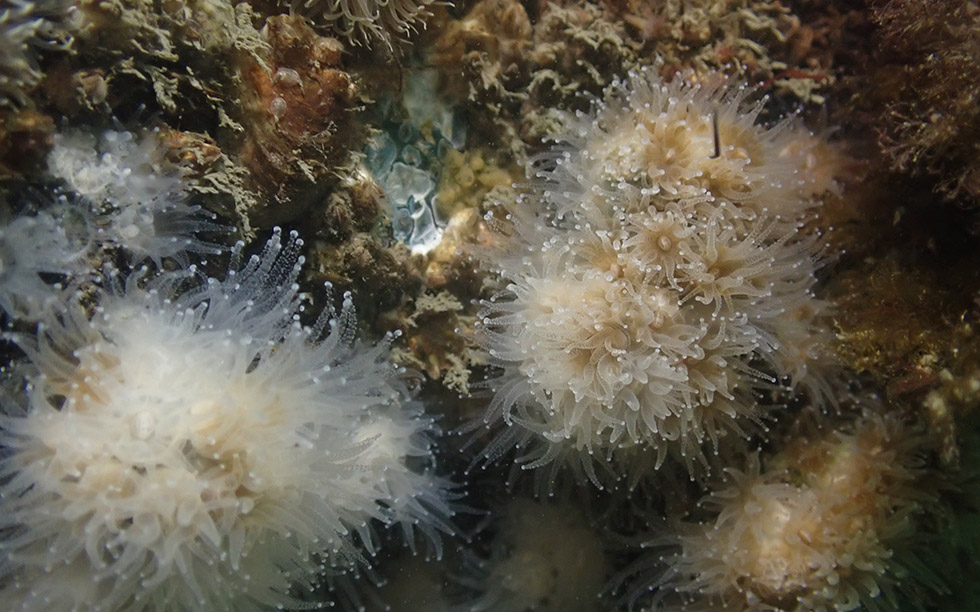
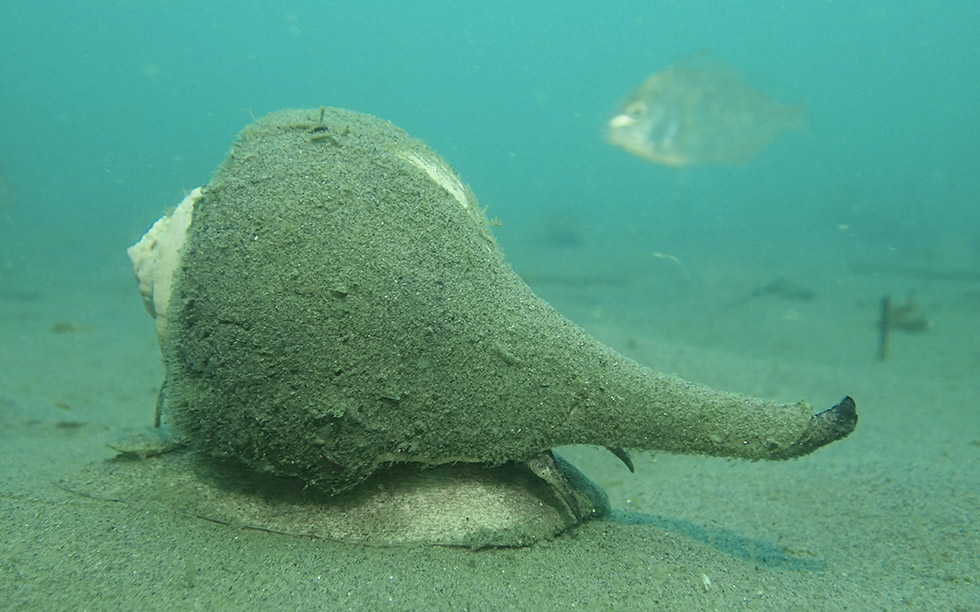
Once we descended, the underwater environment seemed more peaceful than ever before. The visibility was definitely reduced from a typical day, but we achieved neutral buoyancy, hovering above the bottom to not to make it worse. As we swam further offshore, the usual feelings of weightlessness and excitement blurred. We saw spider crabs, flounder, sea robins, and seabass. Northern star coral clumps gathered around derelict lobster cages and other debris. Whelk were feasting on quahogs. While this can be a typical scene in Rhode Island, the underwater world felt so much more special that day. There was a peacefulness and calmness that took over, entrancing the group into a dream-like state. Even the current felt mild mannered and cooperative. It was like the sea was telling us that this was the exact place we were meant to be. But then the dive was over. We surfaced. Immediately hit by the wind and choppy surface, my first reaction was, can we do another dive?
So, the next time you go diving and the weather doesn’t cooperate, don’t let the rain or bad weather ruin your day. Know your sites, analyze the forecasts and maintain safety as your number one priority. With all that in mind, there may still be a dive site with perfect underwater conditions that allow you to escape the storms on the surface.
 https://www.tdisdi.com/wp-content/uploads/2026/01/Diving-St.-Eustatius.jpg
628
1200
Joan Solé García
https://www.tdisdi.com/wp-content/uploads/2021/10/header-web-live.png
Joan Solé García2026-01-29 03:00:232026-01-29 03:00:23Diving St. Eustatius
https://www.tdisdi.com/wp-content/uploads/2026/01/Diving-St.-Eustatius.jpg
628
1200
Joan Solé García
https://www.tdisdi.com/wp-content/uploads/2021/10/header-web-live.png
Joan Solé García2026-01-29 03:00:232026-01-29 03:00:23Diving St. Eustatius https://www.tdisdi.com/wp-content/uploads/2026/01/Best-Days-to-Dive.jpg
628
1200
Joan Solé García
https://www.tdisdi.com/wp-content/uploads/2021/10/header-web-live.png
Joan Solé García2026-01-28 04:54:352026-01-28 04:54:35The Best Days to Dive
https://www.tdisdi.com/wp-content/uploads/2026/01/Best-Days-to-Dive.jpg
628
1200
Joan Solé García
https://www.tdisdi.com/wp-content/uploads/2021/10/header-web-live.png
Joan Solé García2026-01-28 04:54:352026-01-28 04:54:35The Best Days to Dive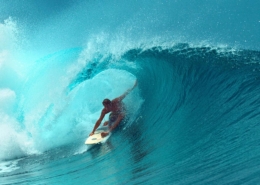 https://www.tdisdi.com/wp-content/uploads/2026/01/Looking-Beyond-the-Dive-Show-Floor.jpg
628
1200
Joan Solé García
https://www.tdisdi.com/wp-content/uploads/2021/10/header-web-live.png
Joan Solé García2026-01-26 05:20:292026-01-26 16:49:00Looking Beyond the Dive Show Floor
https://www.tdisdi.com/wp-content/uploads/2026/01/Looking-Beyond-the-Dive-Show-Floor.jpg
628
1200
Joan Solé García
https://www.tdisdi.com/wp-content/uploads/2021/10/header-web-live.png
Joan Solé García2026-01-26 05:20:292026-01-26 16:49:00Looking Beyond the Dive Show Floor https://www.tdisdi.com/wp-content/uploads/2026/01/ANTARCTIQUE.jpg
628
1200
Joan Solé García
https://www.tdisdi.com/wp-content/uploads/2021/10/header-web-live.png
Joan Solé García2026-01-22 06:32:542026-01-22 06:32:54ANTARCTICA
https://www.tdisdi.com/wp-content/uploads/2026/01/ANTARCTIQUE.jpg
628
1200
Joan Solé García
https://www.tdisdi.com/wp-content/uploads/2021/10/header-web-live.png
Joan Solé García2026-01-22 06:32:542026-01-22 06:32:54ANTARCTICA https://www.tdisdi.com/wp-content/uploads/2026/01/women-idc.jpg
628
1200
Joan Solé García
https://www.tdisdi.com/wp-content/uploads/2021/10/header-web-live.png
Joan Solé García2026-01-21 04:55:202026-01-22 08:16:54Women's IDC – May 23-31, 2026
https://www.tdisdi.com/wp-content/uploads/2026/01/women-idc.jpg
628
1200
Joan Solé García
https://www.tdisdi.com/wp-content/uploads/2021/10/header-web-live.png
Joan Solé García2026-01-21 04:55:202026-01-22 08:16:54Women's IDC – May 23-31, 2026 https://www.tdisdi.com/wp-content/uploads/2026/01/women-who-tech-dive-tamara-thomsen.jpg
628
1200
Joan Solé García
https://www.tdisdi.com/wp-content/uploads/2021/10/header-web-live.png
Joan Solé García2026-01-19 04:46:442026-01-19 04:46:44Women Who Tech Dive Tamara Thomsen
https://www.tdisdi.com/wp-content/uploads/2026/01/women-who-tech-dive-tamara-thomsen.jpg
628
1200
Joan Solé García
https://www.tdisdi.com/wp-content/uploads/2021/10/header-web-live.png
Joan Solé García2026-01-19 04:46:442026-01-19 04:46:44Women Who Tech Dive Tamara Thomsen https://www.tdisdi.com/wp-content/uploads/2026/01/DI-Scubility-Program.jpg
628
1200
Joan Solé García
https://www.tdisdi.com/wp-content/uploads/2021/10/header-web-live.png
Joan Solé García2026-01-15 01:42:552026-01-15 01:42:55SDI Scubility Program
https://www.tdisdi.com/wp-content/uploads/2026/01/DI-Scubility-Program.jpg
628
1200
Joan Solé García
https://www.tdisdi.com/wp-content/uploads/2021/10/header-web-live.png
Joan Solé García2026-01-15 01:42:552026-01-15 01:42:55SDI Scubility Program https://www.tdisdi.com/wp-content/uploads/2026/01/Diving-for-Mental-Health.jpg
628
1200
Joan Solé García
https://www.tdisdi.com/wp-content/uploads/2021/10/header-web-live.png
Joan Solé García2026-01-14 04:18:042026-01-14 04:18:04Diving for Mental Health
https://www.tdisdi.com/wp-content/uploads/2026/01/Diving-for-Mental-Health.jpg
628
1200
Joan Solé García
https://www.tdisdi.com/wp-content/uploads/2021/10/header-web-live.png
Joan Solé García2026-01-14 04:18:042026-01-14 04:18:04Diving for Mental Health
Leave a Reply
Want to join the discussion?Feel free to contribute!